
Design solutions that pursue the sound quality and experience you need
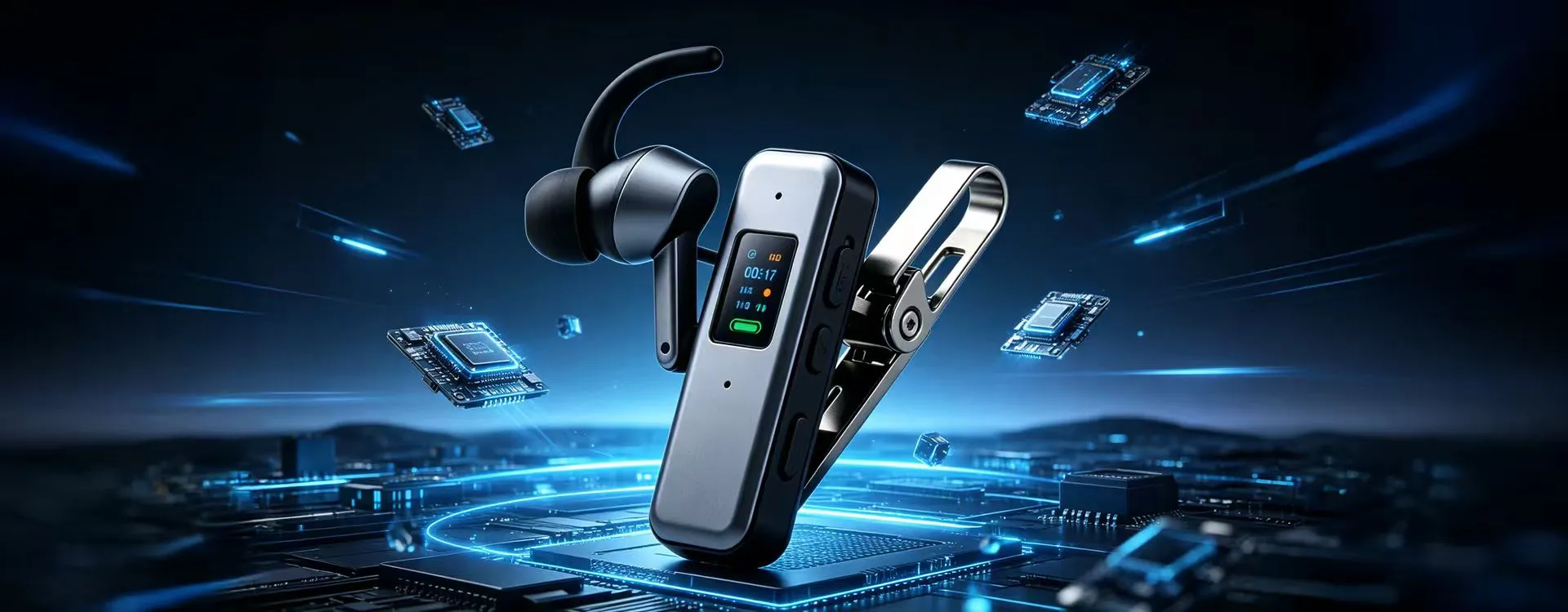
Most buyers start with a specification sheet, but what actually decides the experience is how the headset feels the moment it goes on: can you hear yourself clearly, does your voice tire after an hour, will it disturb the family, can you plug it into a phone and start singing right away. This article looks at three common scenarios — home entertainment, phone karaoke, and live streaming — and explains how the experience differs, with reference to more than 10 years of audio design work at Shenzhen Liwei Electronic.
The experience of a singing headset comes down to four things. First, hearing yourself: the singer needs the backing track and their own voice in real time to stay on pitch and on beat, and any sense of lag immediately feels wrong. Second, singing without effort: the microphone should pick up a natural voice level so that long sessions do not strain the throat. Third, a pleasant tone: vocals that are clear and warm rather than harsh or muffled let ordinary singers feel confident. Fourth, not disturbing others: at home, sound should stay contained and sharp acoustic feedback should not appear.
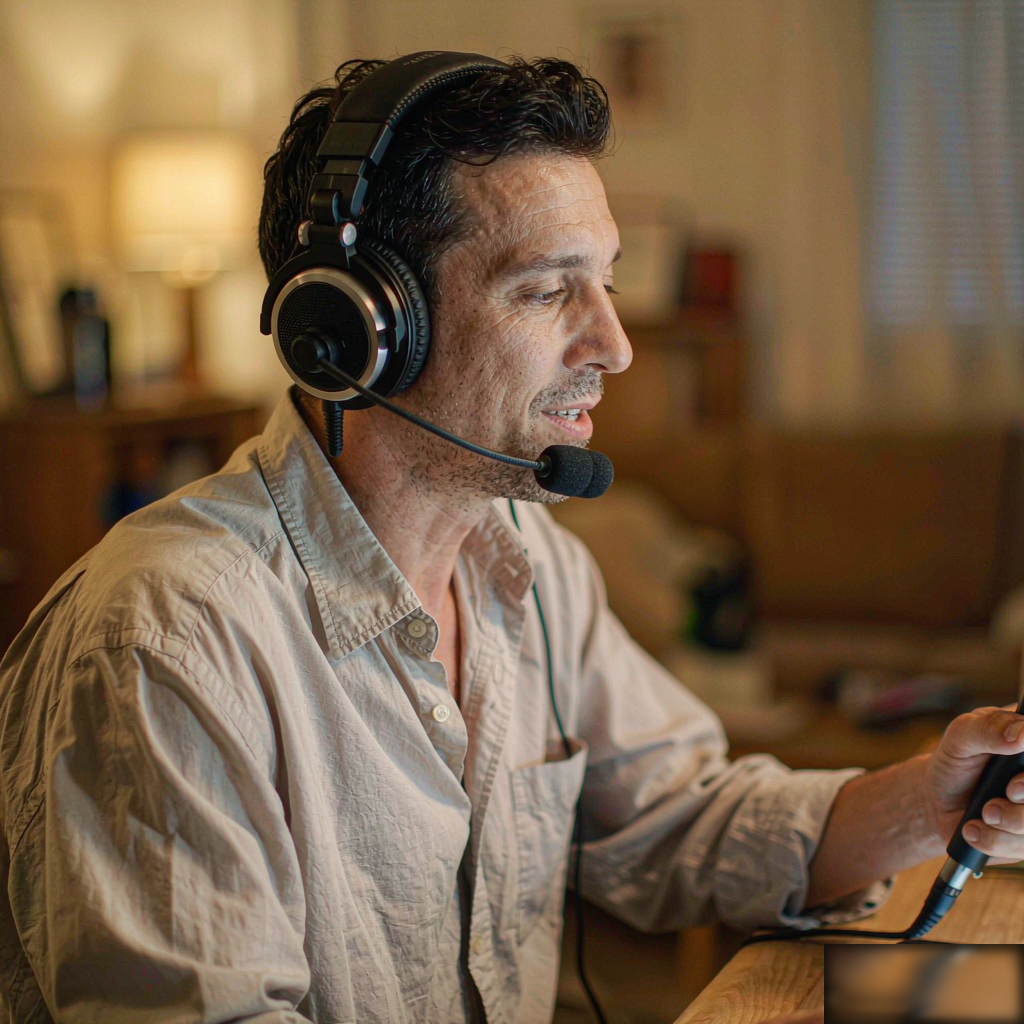
Home users often sing for one or two hours at a time, so wearing comfort decides whether the product gets recommended. Clamping force, headband pressure, and cushion material all need repeated fitting trials; memory foam with a soft surface holds up well over long sessions. Home environments also carry TV and kitchen noise, and the passive isolation of the earcups helps the singer stay focused while protecting hearing when the headset is used for listening. For manufacturers, the competitive edge in this segment is not a longer feature list but a headset people do not want to take off.
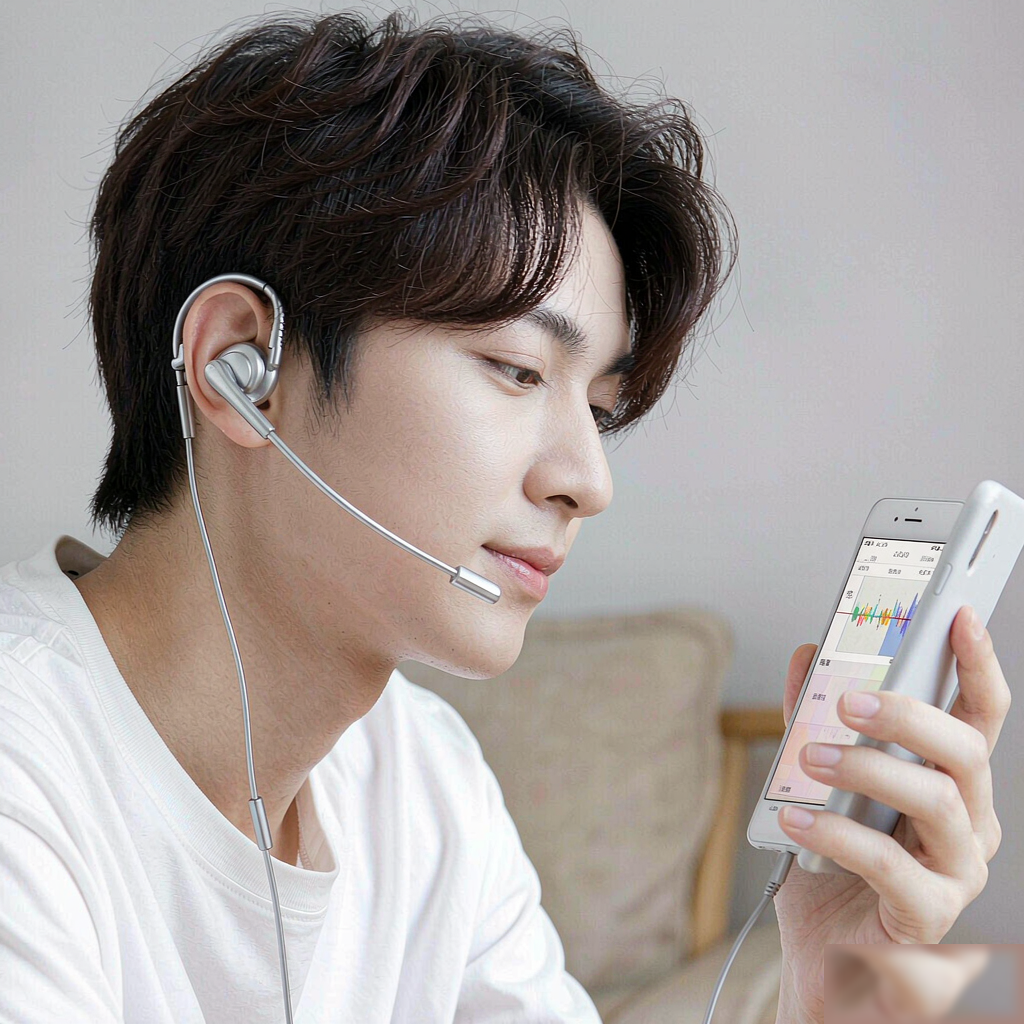
Phone karaoke has the largest user base, and the keyword is simplicity. Users do not want to install an app, pair a device, and adjust settings before singing one song; ideally they plug in and record. That means the design must work with mainstream phone interfaces without extra drivers, while volume, reverb, and monitoring are reduced to one or two intuitive controls. Another easily overlooked point is the quality of the recording itself, because users share the result: clean vocals and a balanced backing track matter more than raw loudness.
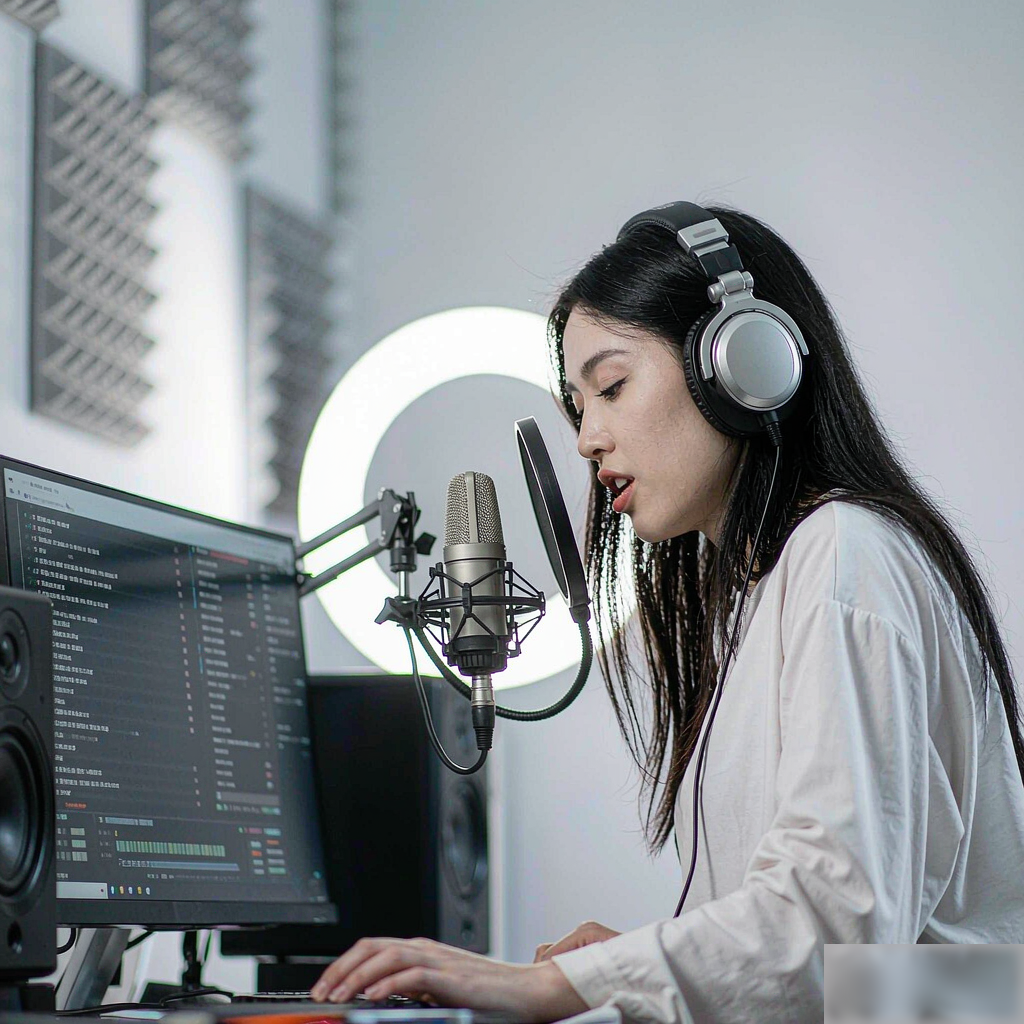
Live streaming leaves the least room for error. The audience hears the final mix, so choppy audio, vocals drifting out of sync with the backing track, or a dropped connection ruins the experience instantly. A streaming headset should therefore secure a stable link and tight synchronization before adding sound effects. Battery life matters just as much: a session often runs for hours, so the device must last the whole show and support charging while in use. Because hosts move around while singing, fit stability and cable reliability also need to be validated to avoid accidental interruptions.
Translating these three experiences into a product definition makes the selection path clear: decide the primary scenario first, work backwards to the experience items that must be right, and only then trade off cost and appearance. With complete audio chain design capability across call-center headsets, live streaming audio, and LE Audio, Shenzhen Liwei Electronic supports custom development from requirement definition to PCBA delivery for different user groups and price bands.
Q: My ears hurt after wearing a singing headset for a while. Is that a design problem?
A: In most cases it relates directly to the mechanical design. Excessive earcup pressure, a tight headband, and hard cushion material all cause discomfort, so wearing comfort should be treated as a validation item and refined through repeated fitting trials.
Q: Why does my own voice feel half a beat late when I sing on a phone?
A: This comes from a lack of synchronization in the monitoring path. Sound needs time to be captured, processed, and returned to the ear, and every extra stage adds delay. A shorter monitor path with fewer processing stages noticeably reduces that lag.
Q: What should be decided first when developing a singing headset?
A: The primary use scenario — home entertainment, phone karaoke, or live streaming. The scenario sets the priority of comfort, interface, connectivity, and battery life, and deciding it first prevents the common mistake of stacking features that users never notice.
Shenzhen Liwei Electronic Technology Co., Ltd specializes in audio headset electronic design and complete chip-level PCBA solutions, with more than 10 years of industry experience and over 300 customers served. The company has built complete audio chain design capability across call-center headsets, live streaming audio, and LE Audio, and provides customized audio solutions for singing headsets, karaoke headsets, and streaming headsets. Please contact Liwei Electronic for more details.
Keywords: singing headset, karaoke headset, live streaming headset, audio solution, PCBA design