
Design solutions that pursue the sound quality and experience you need
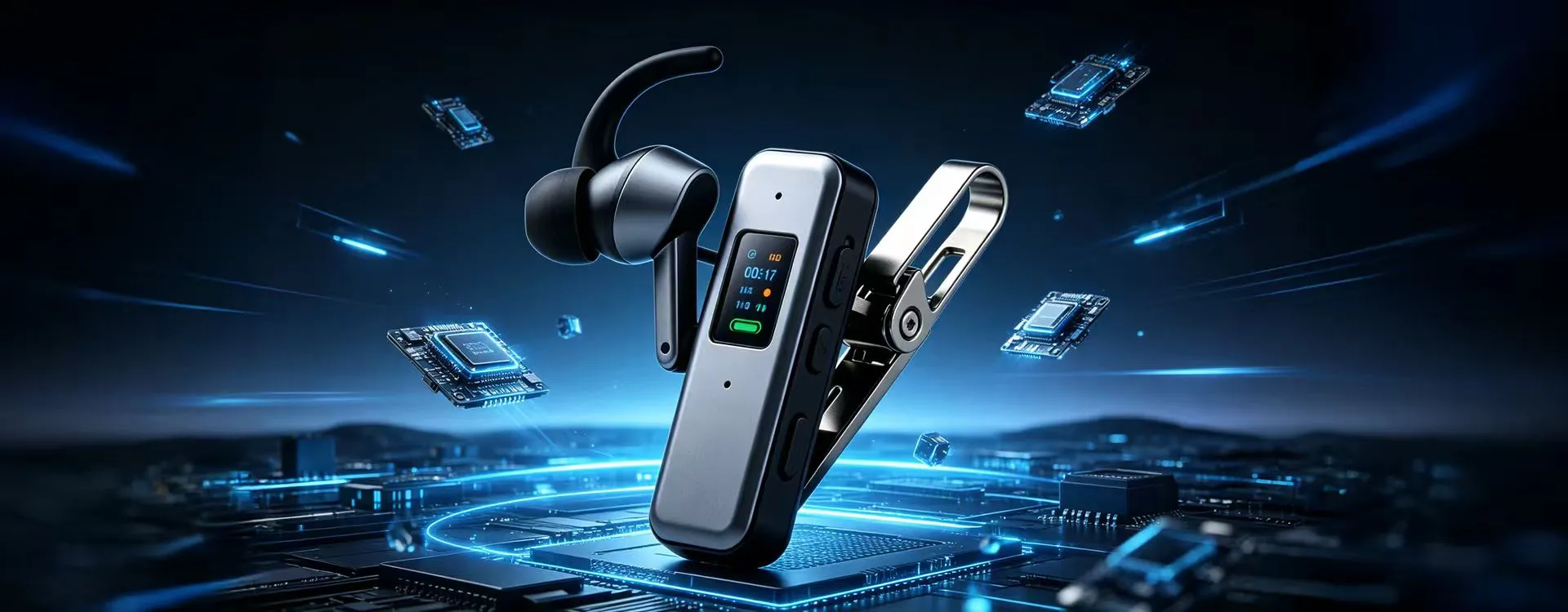
Live streaming places far greater demands on audio than everyday phone calls: vocals must stay clear and full, backing music needs to be mixed in real time, and performers rely on zero-latency monitoring to stay in tune. A phone's built-in codec offers limited channel count and a narrow analog front-end gain range, so it cannot cover all of these requirements at once. An external sound card connects to the phone over USB as a digital audio device, bypassing the phone's analog input bottleneck entirely. Microphone gain, effects processing, and mixing all happen inside the sound card, giving consistent, measurable audio performance. For brands, the key engineering challenges are USB compatibility and a low-latency processing chain.
The phone-side connection is USB, which means dealing with Android OTG and iOS Lightning/USB-C protocol differences. Start by confirming the USB Audio Class (UAC) version and enumeration parameters: UAC 1.0 offers the broadest plug-and-play compatibility across most phones, while UAC 2.0 enables higher sample rates and lower latency but is not fully supported by every Android device, so per-model verification is essential. Power negotiation is equally critical — the sound card typically draws no more than 500 mA from the phone before triggering a disconnect, which makes low-power DSP and amplifier selection a core requirement. A 3.5 mm monitoring output and condenser-mic bias supply should also be retained to cover the full range of streaming setups.
The sound card's audio quality is determined by its analog front end: low-noise microphone preamplification, stepped gain control, and the bias network for electret or condenser microphones directly set the noise floor. Professional live-streaming sound cards typically target an equivalent input noise below -110 dBu, with 0–40 dB of gain range to accommodate both dynamic and condenser microphones. For mixing, backing track and vocal are blended digitally inside the card's DSP and sent back to the phone as a single stereo stream, avoiding the extra latency of phone-side processing. Monitoring must use a hardware direct-path so the performer hears exactly what the audience hears, with round-trip latency kept under 5 ms.
Popular live-streaming effects — voice changing, reverb, pitch correction — depend on real-time DSP processing. When evaluating solutions, look at DSP headroom and algorithm quality: reverb quality comes from early-reflection modeling and natural tail decay, and budget implementations often produce a metallic sound. Physical controls such as one-touch mute, effect switching, and voice-change buttons should be implemented as HID devices so phones recognize them without drivers. With over 10 years of experience in audio PCBA development, Shenzhen Liwei Electronic provides complete chip and PCBA design services for live-streaming sound cards and karaoke headsets. Request a Quote to discuss your custom audio solution.
Q: Should a streaming sound card use UAC 1.0 or UAC 2.0?
A: UAC 1.0 offers the best compatibility and works plug-and-play with most Android and iOS devices, making it ideal for high-volume products. UAC 2.0 supports higher sample rates and lower latency for premium models, but requires per-device driver testing to avoid disconnects or silent channels after launch.
Q: How much monitoring latency is acceptable for live singing?
A: Keep monitor latency under 5 ms; above 10 ms performers clearly perceive the mismatch between their voice and timing, which disrupts rhythm. The monitor path must be a hardware direct route inside the sound card rather than a round trip through the phone — a key difference between hardware and software-only solutions.
Q: What are the power limits when a sound card runs from a phone?
A: Phone OTG output is typically capped around 500 mA; exceeding it causes USB disconnects. A well-designed sound card uses a low-power audio DSP and Class-D amplifier, performs proper power negotiation in firmware, and may support auxiliary external power to stay stable at full load.
Shenzhen Liwei Electronic Technology Co., Ltd has over 10 years of experience in audio PCBA solution design, serving 15+ well-known brands and 300+ customers with complete chip and PCBA design for sound cards, karaoke headsets and Bluetooth audio. Request a Quote for your custom audio solution.
Keywords: sound card solution, mobile live streaming audio, USB audio interface, UAC 1.0, audio PCBA design